Match the method to what comes next
Lawn. Grind it. The machine takes the stump and flare down below the sod line, the chips come out, topsoil and seed go in, and the deep roots are left to rot on their own schedule underground. This is the answer for nine Garland County stumps out of ten, from the Village to Lake Hamilton, and it is an afternoon's work.
Bed, or a new tree in the same spot. Still grinding, but deeper and cleaner: every chip raked out, because fresh wood chips steal nitrogen from whatever you plant in them, and a little extra depth so the new roots don't meet the old ones.
Slab, shed, or driveway. Now the roots have to go, and that means an excavator pulling the ball out of the ground — earthwork, not tree work, priced as earthwork, and usually part of a clearing job or the site prep for whatever is being built. Ask the person doing the dirt work to quote it.
Nothing at all. A stump at the back of a wooded lot toward Jessieville or Royal that nobody will ever mow past can be cut flush and forgotten. Honest pros say so instead of selling a grind.
The chemical option, honestly described
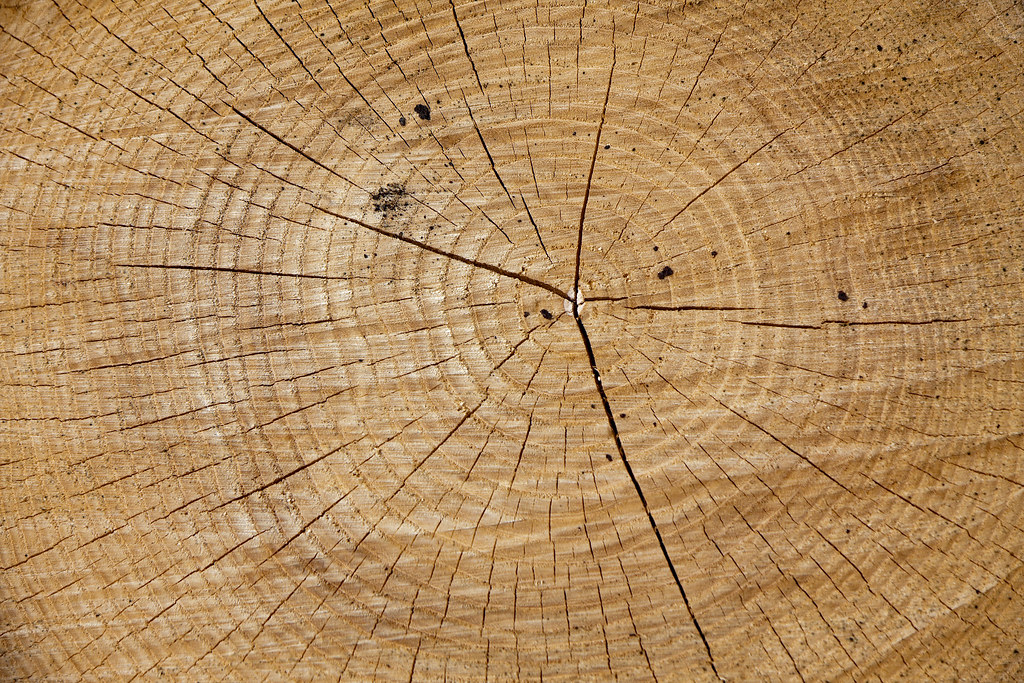
Drilling the stump and treating it to speed the rot is real, cheap, and slow: a year or more before the wood is soft enough to break apart, and the spot is out of use the whole time. It suits a stump you can ignore for a while and nothing you need this season.
What Hot Springs ground does to the job
The ridges here run to rock a few inches under the grass — novaculite and shale that dull grinder teeth and stop an excavator bucket cold. Older lots add their own surprises: stone walls, buried cable, a septic lid nobody mapped. Expect the pro to ask about the lot's history before quoting; the question protects the machine and keeps your figure honest. The free look settles the method, and the grinding page carries the county bands if that's where you land.